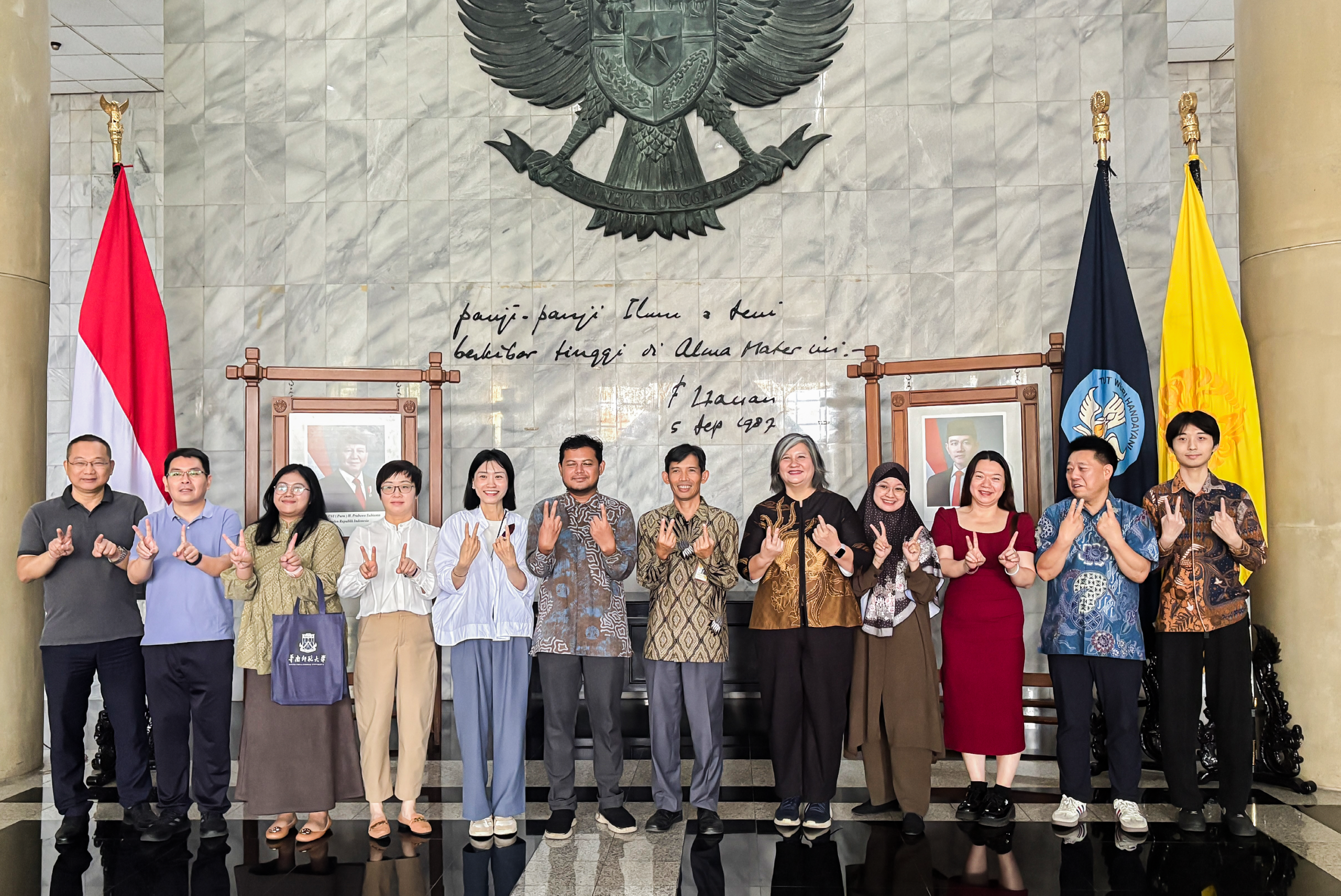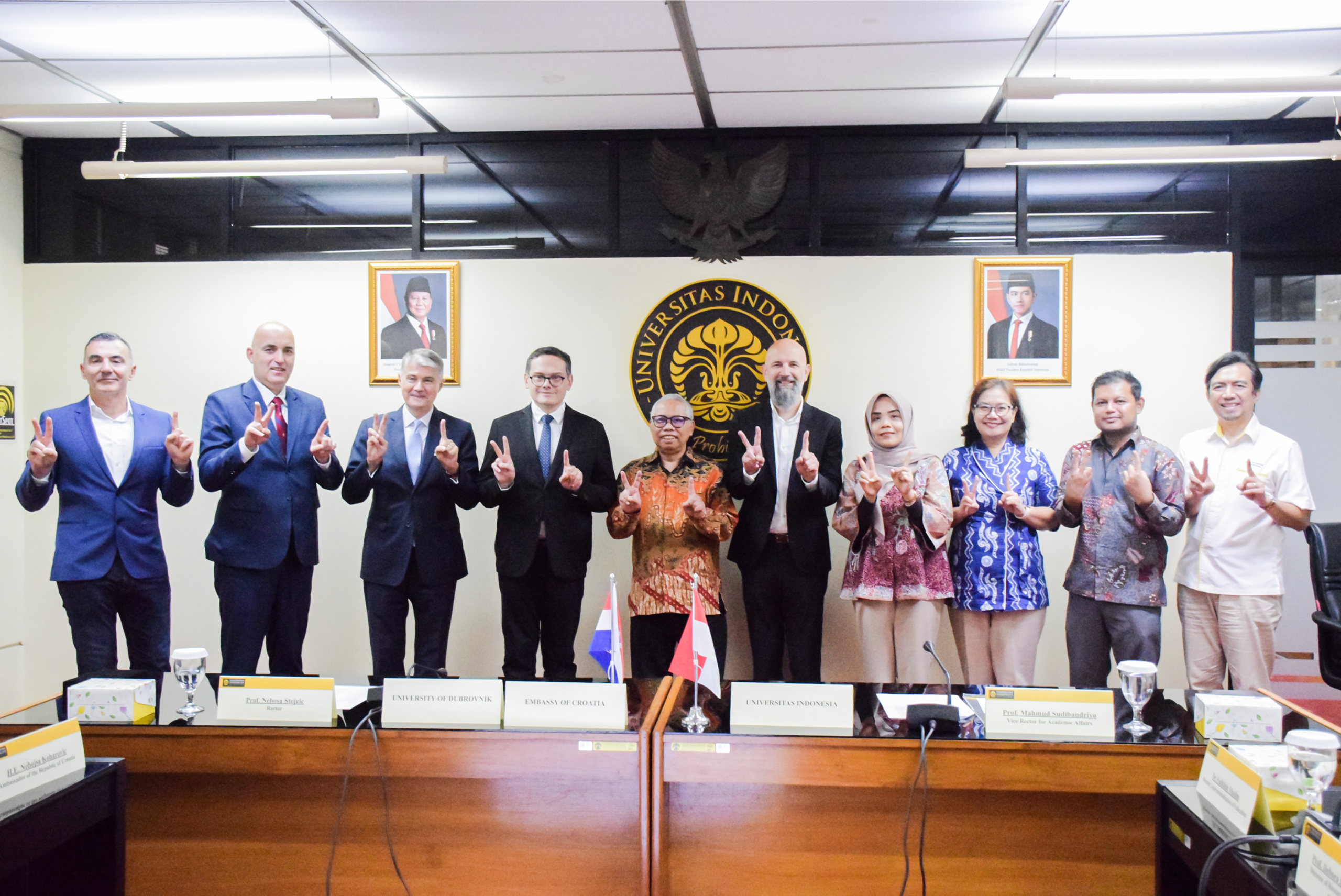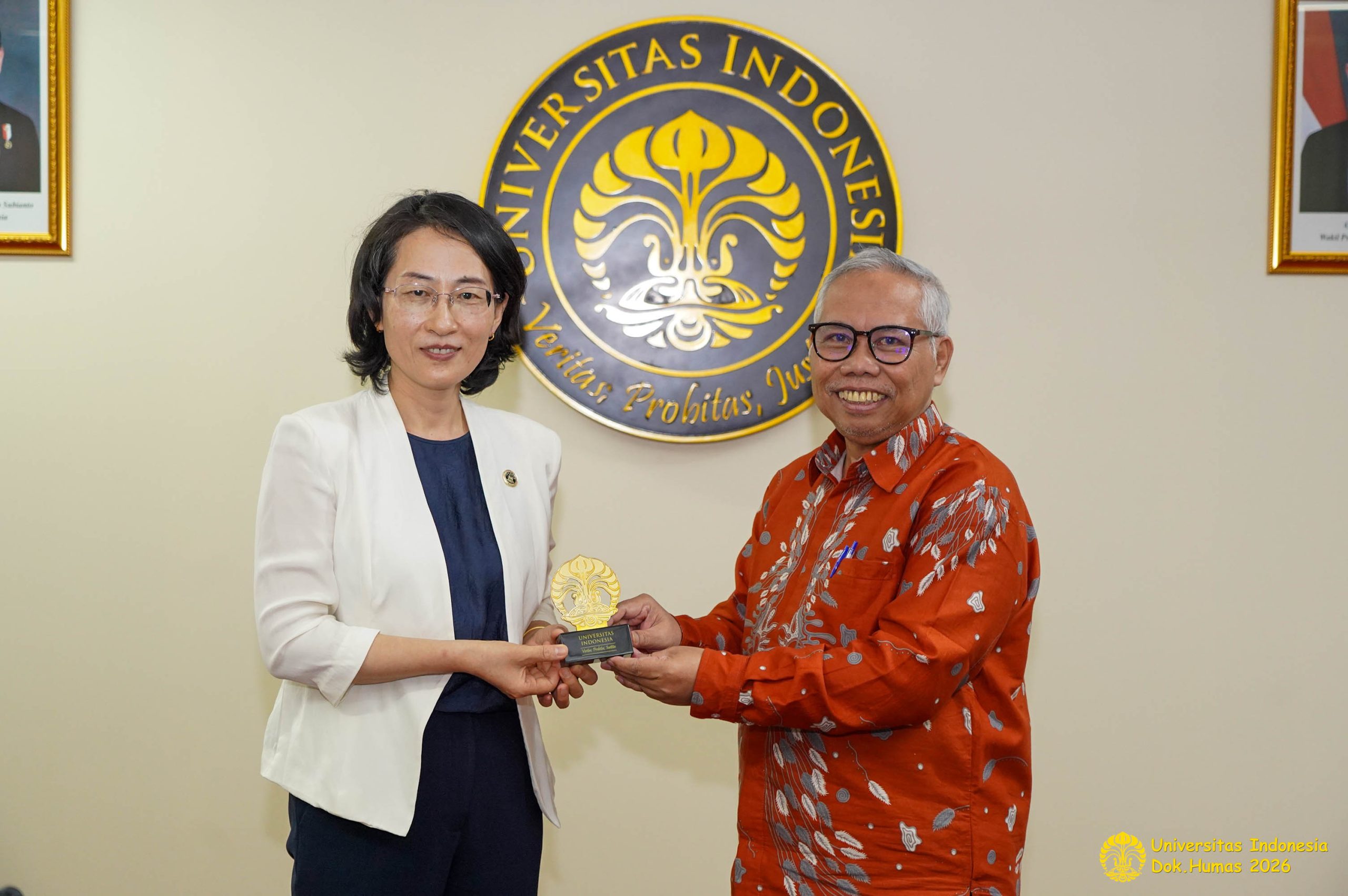

Universitas Indonesia (UI) recently welcomed a distinguished delegation from the Shanghai University of Finance and Economics (SUFE) to explore and strengthen institutional cooperation. The strategic meeting focused on elevating their partnership through the establishment of a university-level Memorandum of Understanding (MoU), while advancing actionable initiatives in student and faculty mobility, joint research, and interdisciplinary academic programs.
The delegation from the Shanghai University of Finance and Economics was led by JIN Yuying, Vice President and Dean of the College of Business, and was accompanied by:
The Universitas Indonesia delegation was led by Prof. Ir. Mahmud Sudibandriyo, M.Sc., Ph.D., Vice Rector for Academic Affairs, joined by:
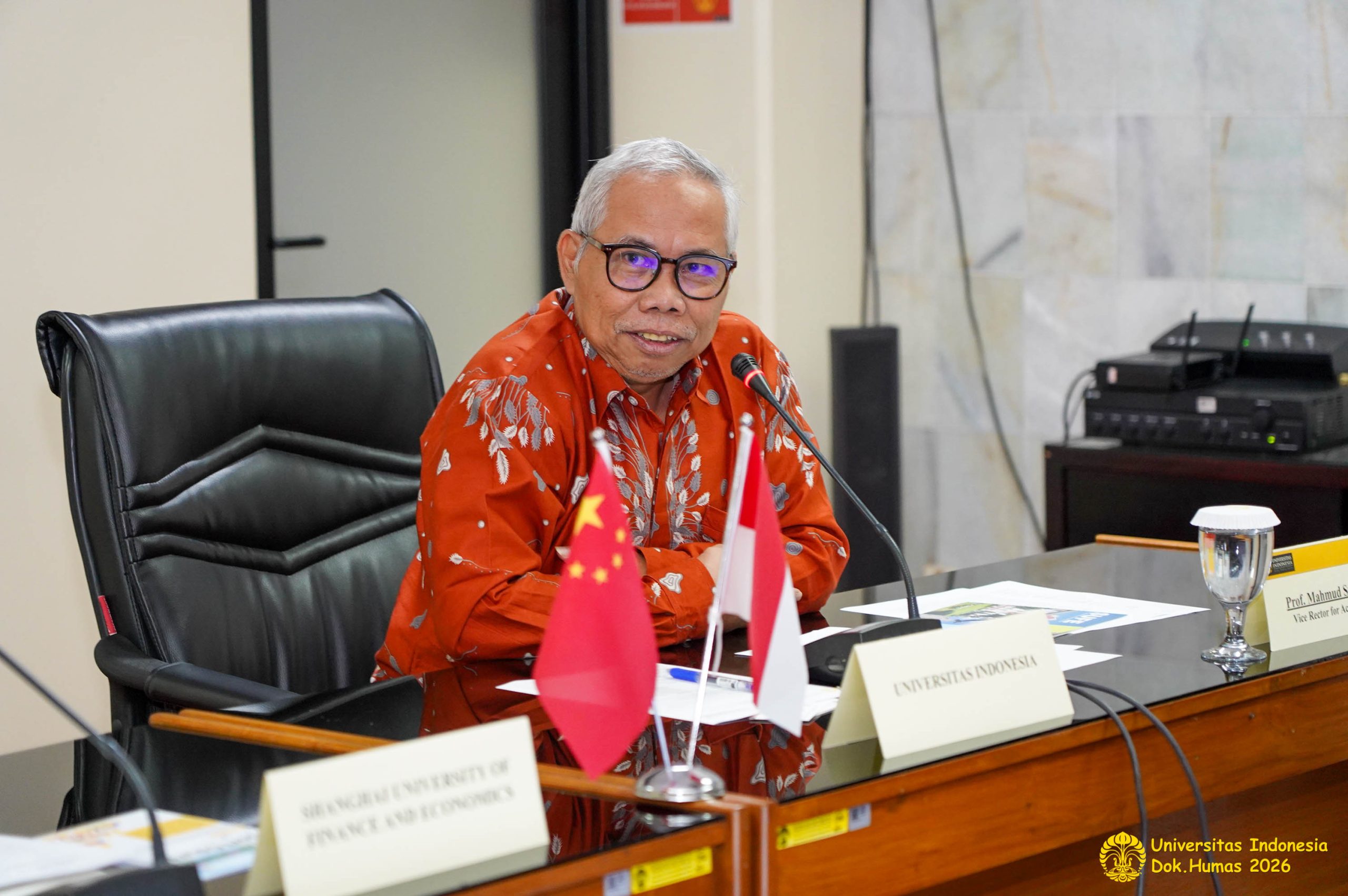
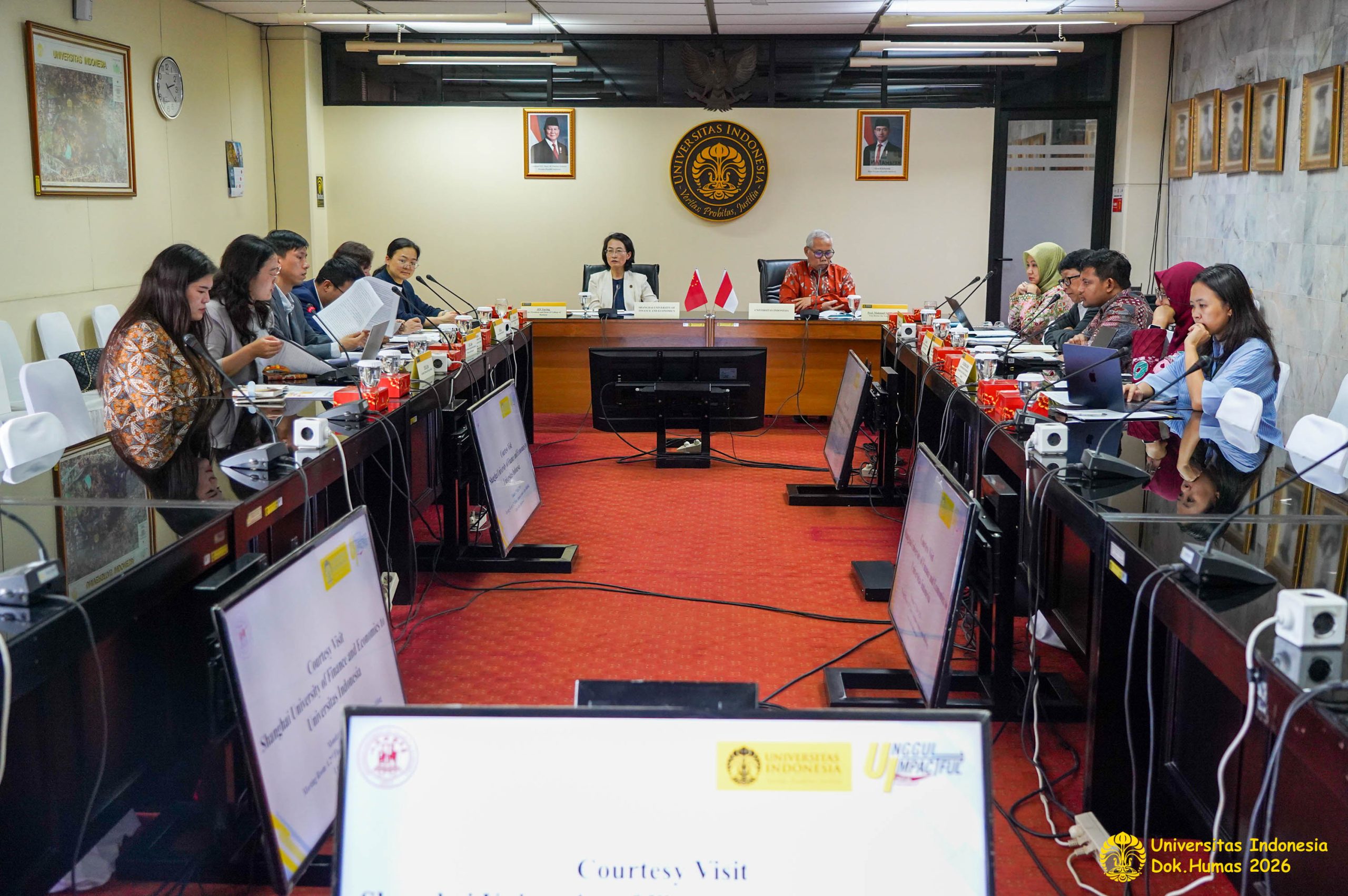
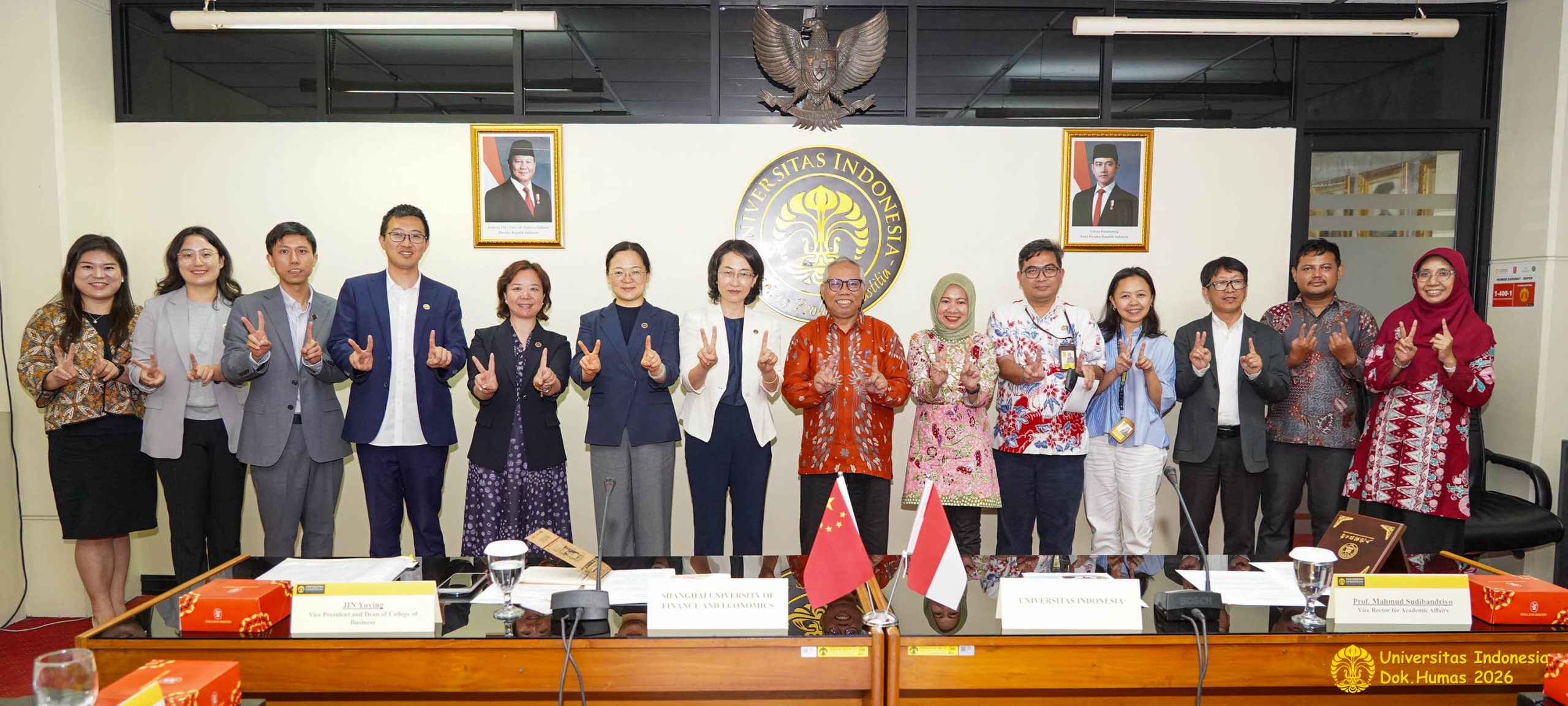
During the dialogue, UI presented its comprehensive institutional profile, highlighting its student body of over 50,000, diverse faculties, and a strong commitment to internationalization and global accreditation. In turn, SUFE introduced its flagship strengths in economics, finance, computational economics, the digital economy, and innovative interdisciplinary programs combining Artificial Intelligence (AI) and finance. Both institutions recognized that their academic capabilities are highly complementary, particularly within economics, business, digital research, social sciences, and humanities.
To formalize this synergy and ensure long-term sustainability, SUFE expressed a strong desire to establish a comprehensive university-level MoU. Both parties agreed that initiating reciprocal student and faculty exchanges serves as the most realistic and effective first step. To encourage mobility, SUFE generously offered fully-funded summer school opportunities and various scholarship schemes for UI students. Furthermore, the discussion explored the potential development of joint programs and double degrees, specifically targeting business, economics, and foreign language studies.
In the realm of research, the institutions expressed significant mutual interest in driving impactful collaborative projects. Proposals included establishing joint think tanks, creating collaborative indexes for academic and industrial use, and developing regional research bases for empirical studies. Key research areas identified for collaboration span foreign investment, corporate globalization, the digital economy, geo-economic risks, public policy, and regional development. To maximize the visibility of these endeavors, both universities pledged support for organizing joint conferences, co-authoring publications, and releasing special editions of academic journals.
Beyond economics and research, the partnership will also harness the strengths of both institutions’ Mandarin study programs and cross-cultural centers to promote language and cultural exchanges.
The meeting concluded with concrete, actionable next steps to solidify the partnership. Immediate actions include officially launching student exchange programs, organizing funded faculty visits and research residencies, and initiating joint research projects. Both universities will maintain active technical coordination via email to finalize the operational details, resource mapping, and the drafting of the overarching university-level MoU.
Photo Credit: Directorate of Public Relations, Media, Government, and International Affairs